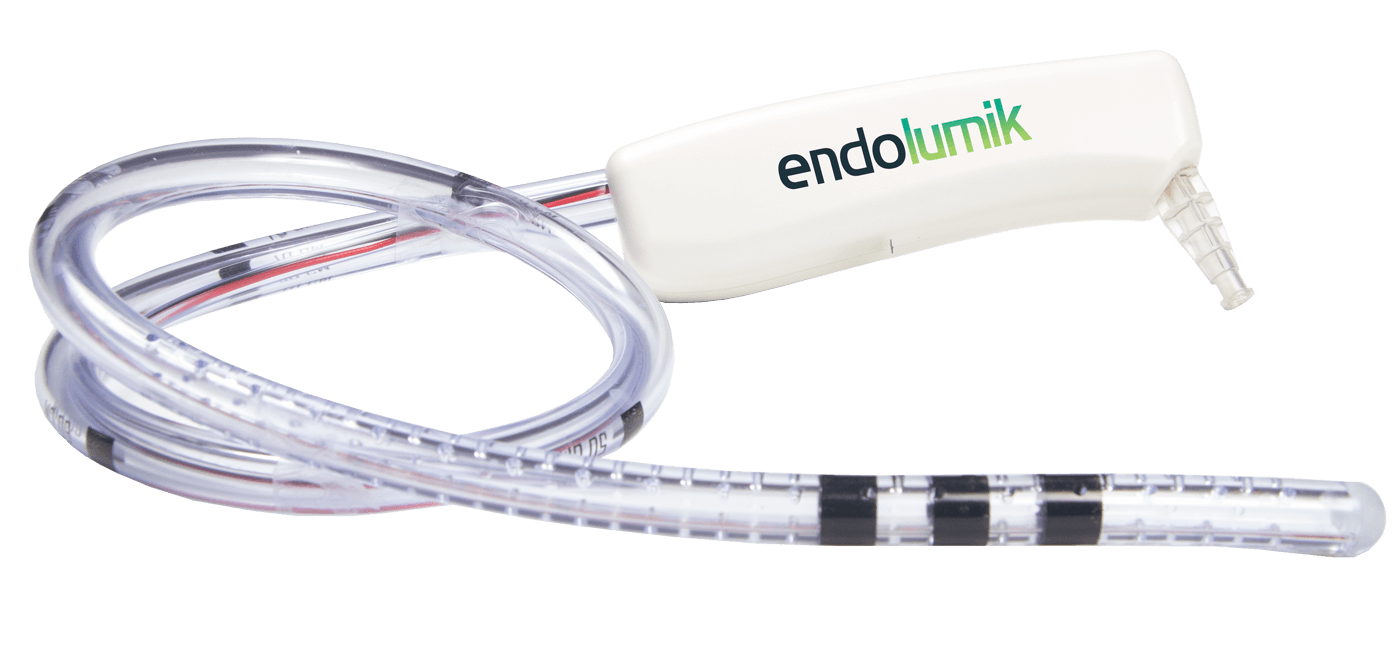
Global health and science company Bayer is quietly doing big things in Pittsburgh, helping improve care for patients worldwide by developing medical devices and imaging technologies that help doctors diagnose everything from heart disease to cancer.
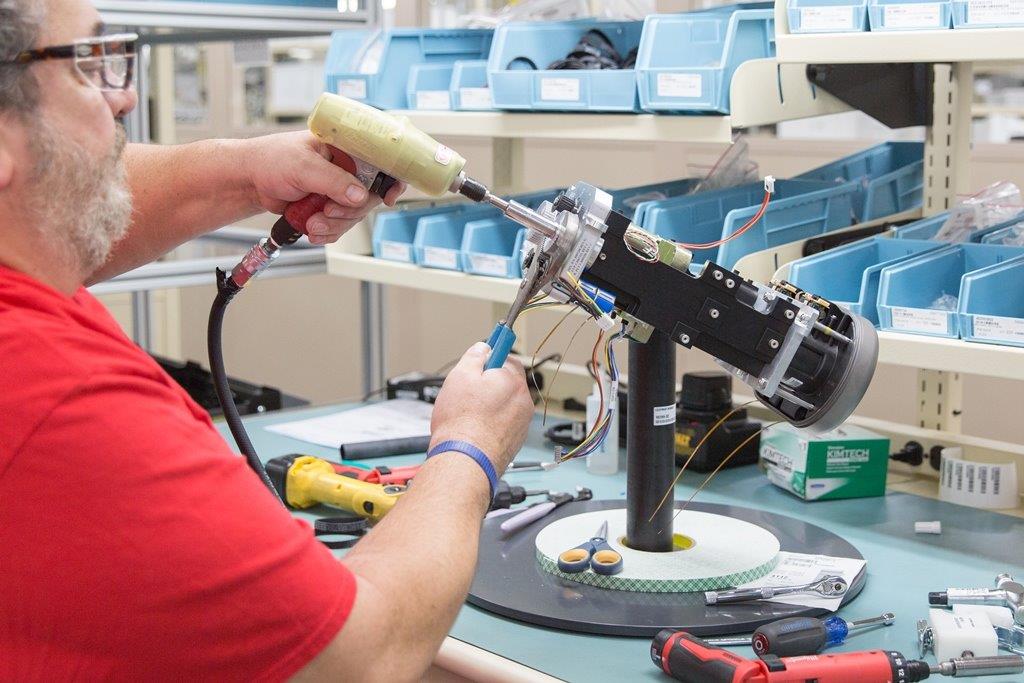
With approximately 1,400 employees in southwestern Pennsylvania, Bayer has built a comprehensive radiology operation in the U.S., a fully integrated hub for R&D, engineering, manufacturing, software development and distribution. The work makes a far-reaching difference: products made in Pittsburgh are used across U.S. hospitals and support imaging procedures for more than 65 million patients globally each year.
At the heart of this work are advanced contrast injection systems, fluid delivery devices, and disposable components like syringes and tubing sets used in CT, MRI, and cardiovascular scans. One standout innovation, the MEDRAD® Stellant FLEX CT Injection System, was developed and manufactured entirely in Pittsburgh. In 2019, it received FDA clearance for use in contrast-enhanced mammography, offering clinicians greater precision in breast cancer screening.
“There’s a strong sense of pride in knowing the technology we build right here in Pittsburgh helps radiologists across the globe deliver clearer diagnoses that can ultimately yield more informed medical decisions for patients,” says Sean Sullivan, Vice President and Electromechanical Manufacturing Lead for Bayer. “We’re not just making parts—we’re advancing healthcare.”
Bayer’s roots in the region go back more than 65 years, but radiology became a central focus in 2006 with the acquisition of MEDRAD, a pioneering local medical device company founded by two Pittsburgh physicians. Since then, the company has expanded that legacy into a global center of excellence in diagnostic imaging.
Bayer’s operations are not just technical—they’re also about people. Its Human Factors Engineering Lab in Indianola brings together engineers, designers, clinicians, and patients to support the development of devices that are intuitive, safe, and effective in real-world clinical settings.
That human-focused work is elevated by Bayer’s ongoing investment in talent. Through internships, research collaborations, and university partnerships, particularly with Carnegie Mellon and the University of Pittsburgh, the company cultivates people who are building lifelong careers in software engineering, data science, and biomedical innovation. Many of them go on to join Bayer full-time.
Physical growth has followed, too. A new 60,000-square-foot Raw Materials Hub and a 220,000-square-foot distribution center in Saxonburg have expanded Bayer’s footprint and reinforced its long-term commitment to the region. “Pittsburgh just suits us perfectly—it offers that rare combination of top-tier engineering talent, strong university partnerships, and a legacy of healthcare innovation,” said Sullivan. “It’s the ideal place for us to continue to grow, not just as a business, but as a driver of smarter, more human-centered healthcare solutions.”
With deep roots in innovation and a global outlook, Bayer is proving that Pittsburgh isn’t just part of the life sciences economy, it’s helping to lead it.

Overview
1,400 employees in southwestern Pennsylvania
Fully integrated hub for radiation R&D, engineering, manufacturing, software development and distribution.